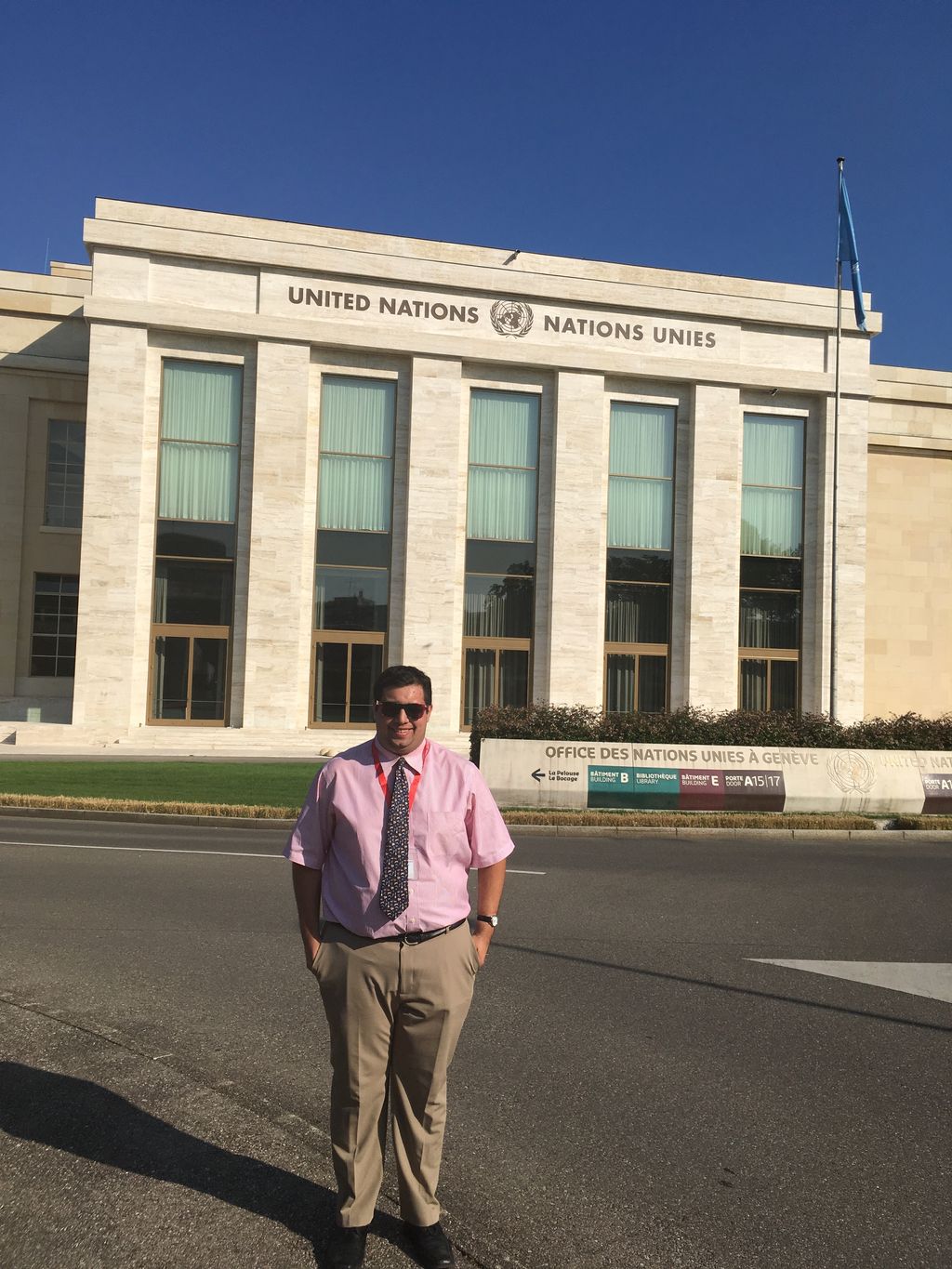
I found a program that would benefit my knowledge of the United Nations and my passion for global awareness. I did some reflection on my Model United Nations research and thought about what I could bring to the program administered by highly educated instructors across the world at the Graduate Institute of Geneva. I was excited to gain new knowledge that would be essential for my studies.
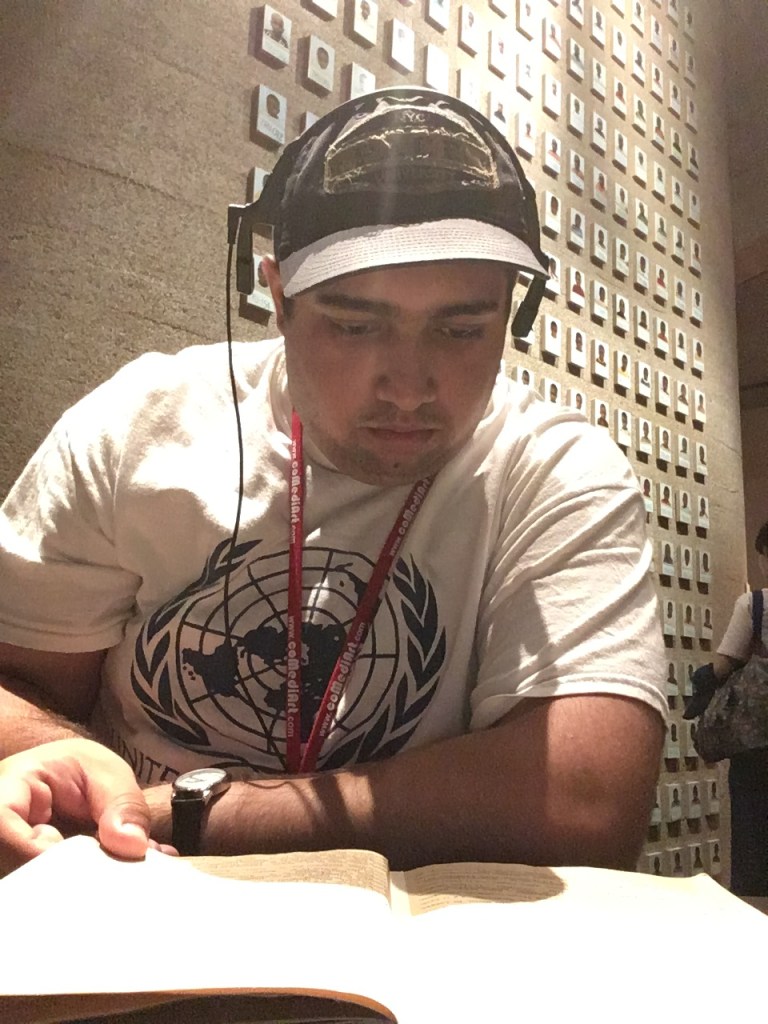
Red Cross International Museum
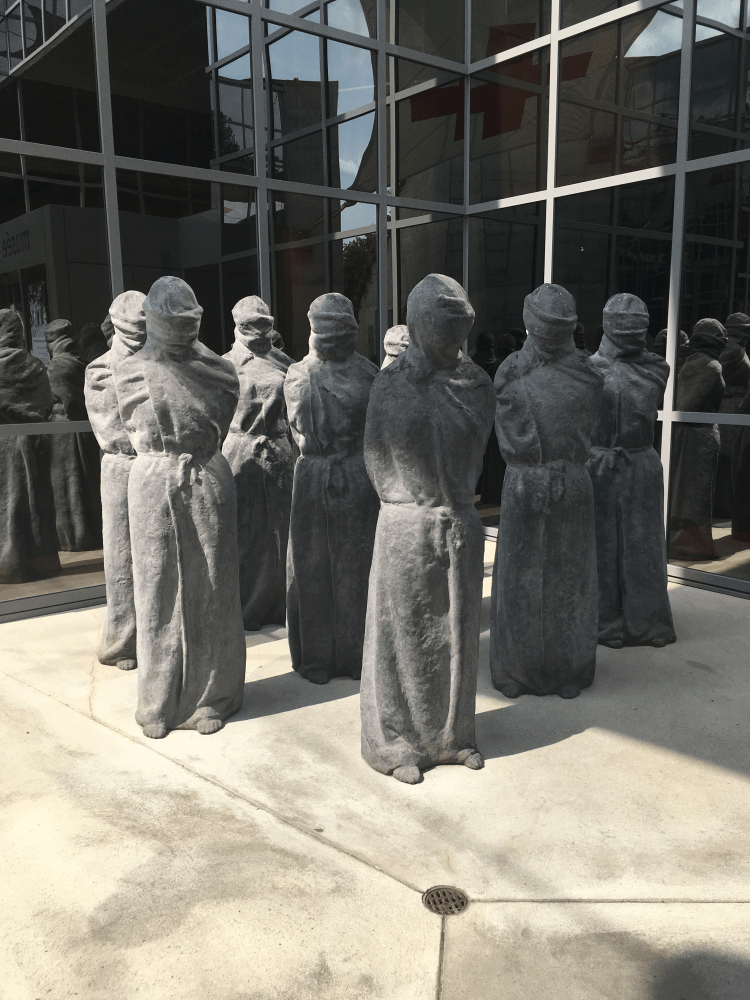
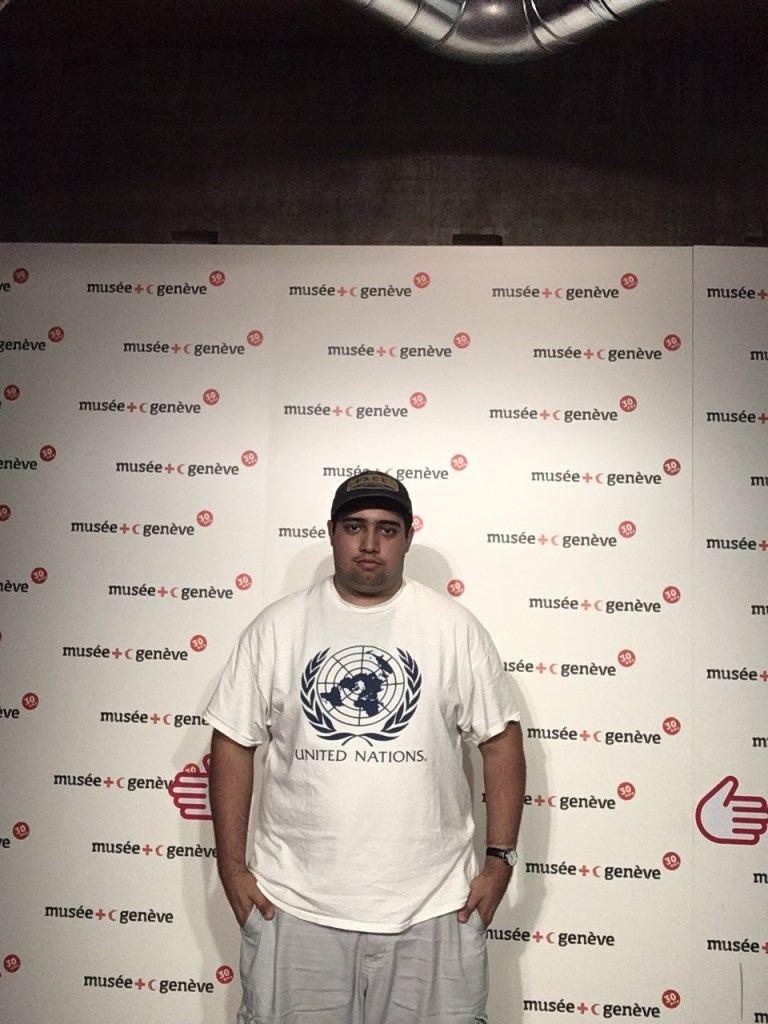
The first portion of the program focused on the history of the League of Nations and its current global issues. My main targets were on the Sustainable Development Goals, UN’s role in Global Governance, climate change after Paris, transnational terrorism, and the evolution of peace building. The task was to think about the difficulties of bringing peaceful relationships among UN Member States through these global issues, and think about the roles that Non-Governmental Organizations play. Being able to learn how international humanitarian efforts are made, I visited the International Red Cross and Red Crescent Museum and explored all three sections: human dignity, restoring family links, and reducing natural disasters.
United Nations Main Office and Agencies
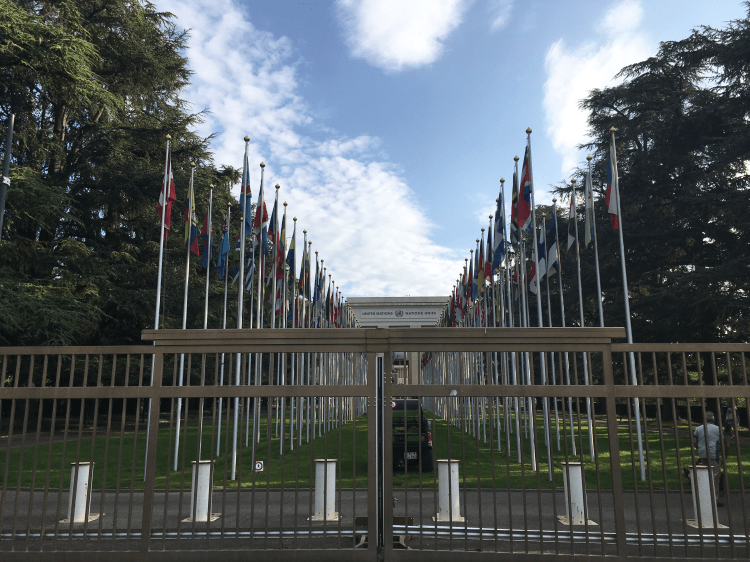
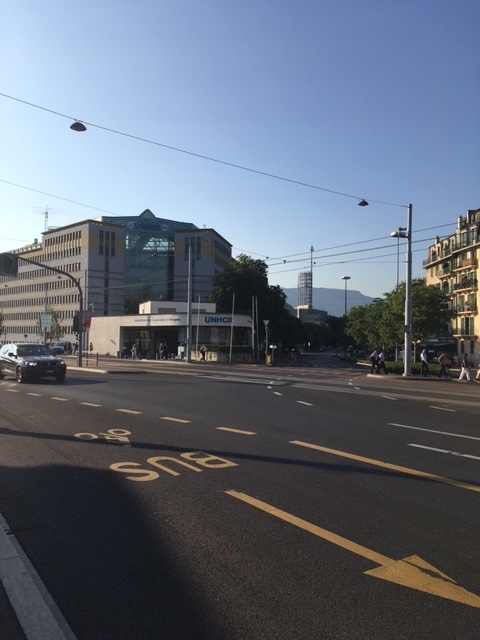
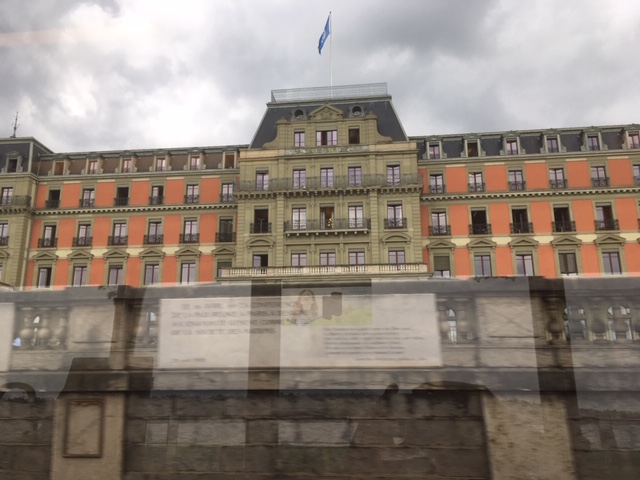
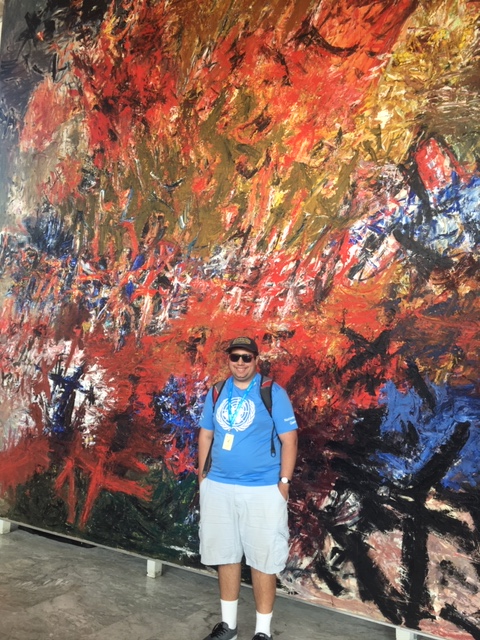
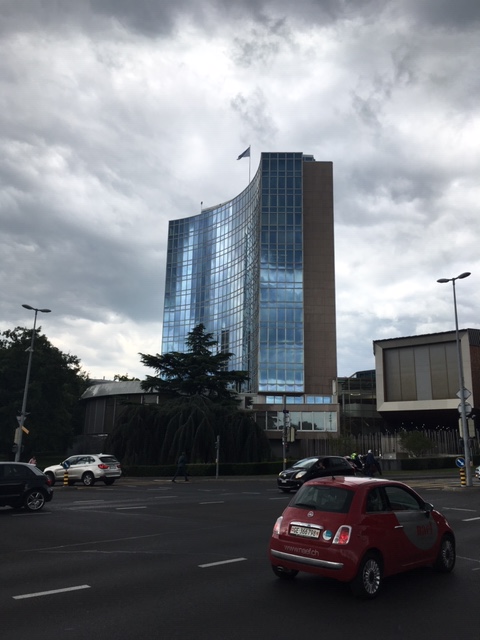
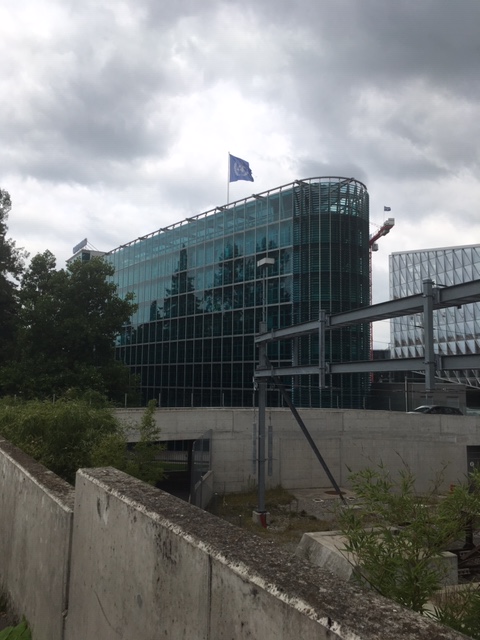
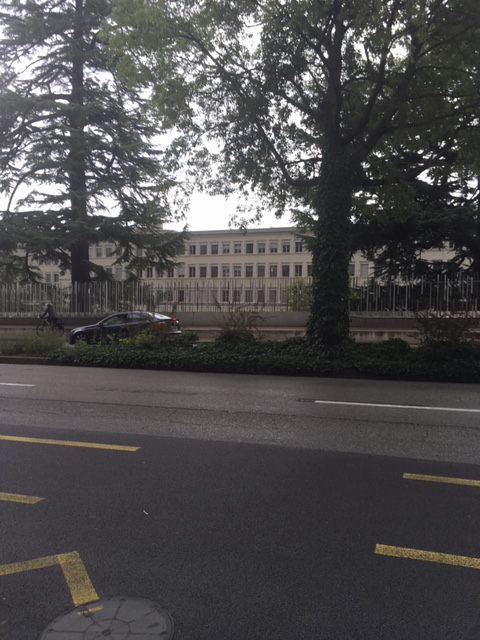
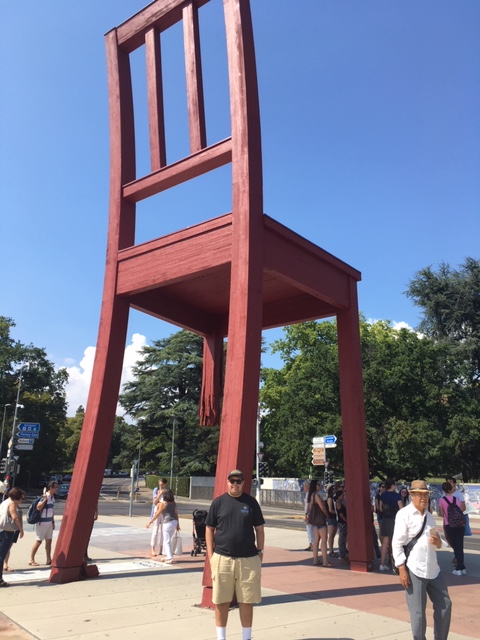
Geneva, known as the city of wealth and stealth is the place where international politics comes to life. Other than the Red Cross, I have visited the United Nations Office of Geneva and some of the UN’s entities and agencies: United Nations Office of Geneva (UNOG), World Health Organization (WHO), World Meteorological Organization (WMO), World Trade Organization (WTO), United Nations High Commissioner for Human Rights (UNHCHR), International Telecommunication Union (ITU), and United Nations High Commissioner for Refugees (UNHCR). These offices are a part of 3 UN Principal Organs: General Assembly, Economic and Social Council, and Secretariat.
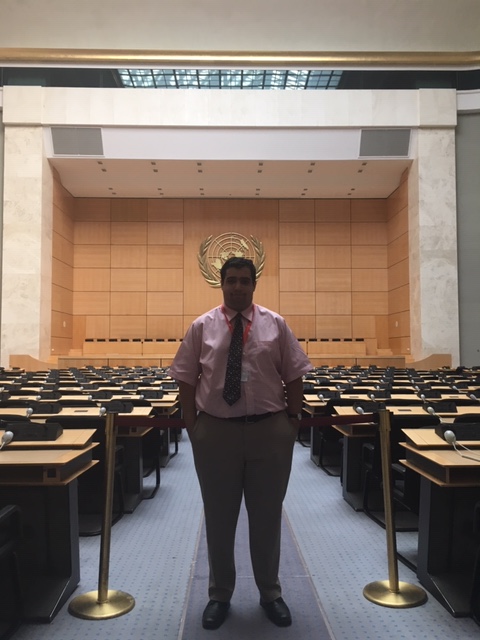
Simulation Role Play
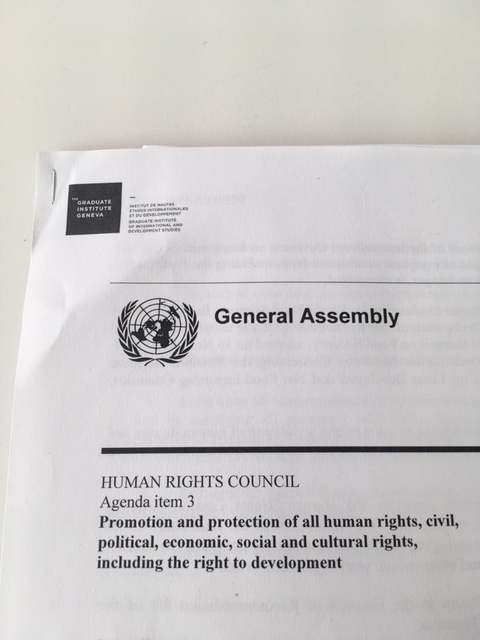
Having spent one week studying the UN system, I proceeded to the next challenge, which was to think about world risks and how the UN can be invented participating in a diplomatic stimulation. Every student in the program was given a country to represent in the Human Rights Council. I was assigned to represent Uganda and discuss the socio-economic challenges faced by Member States, plus the inequalities manifested by globalization and the implications of neo-liberal policies. This stimulation ran differently from the two NMUN Conferences I attended in New York City. Instead of drafting a working paper, the entire delegation was handed the same General Assembly resolution, and it was our job as diplomats to negotiate a resolution concentrating on the rights of protection and development.
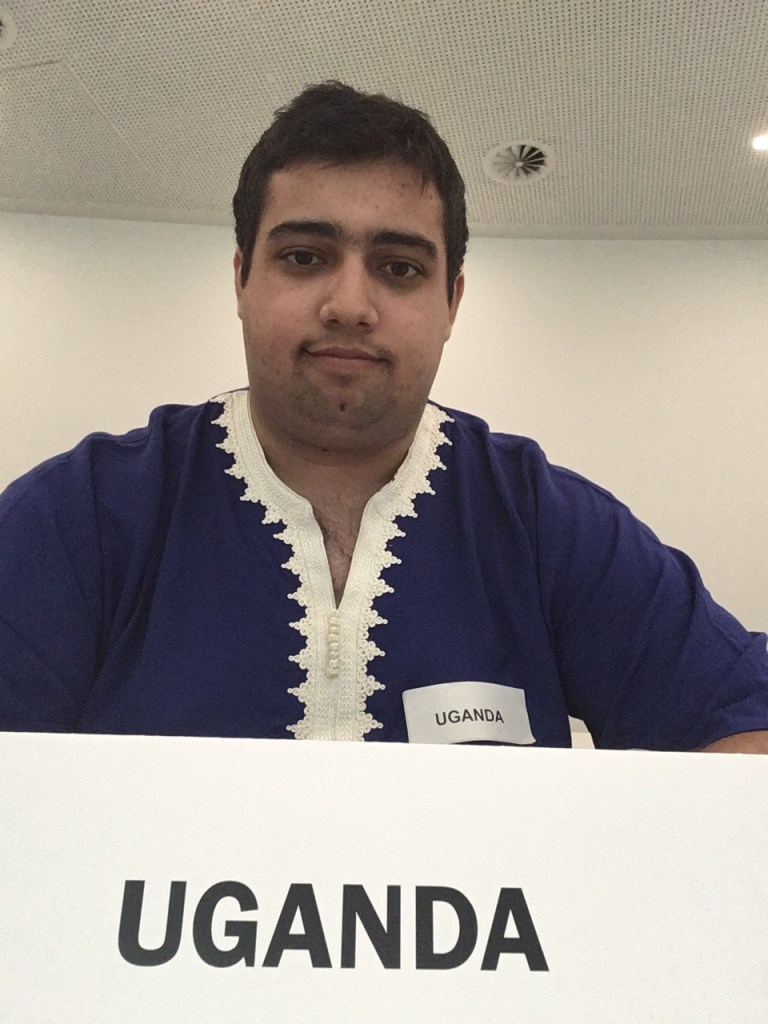
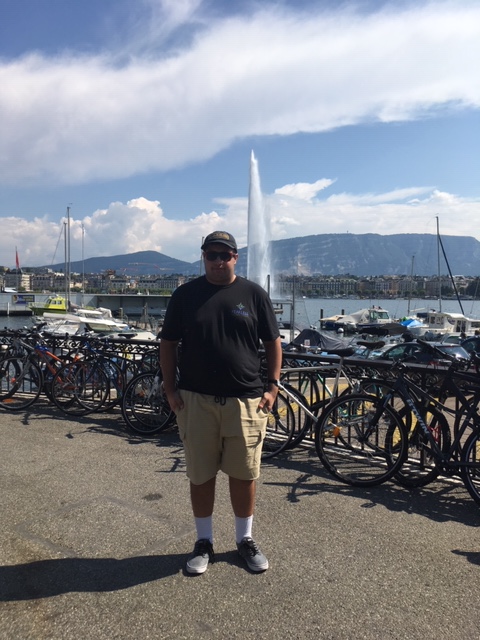
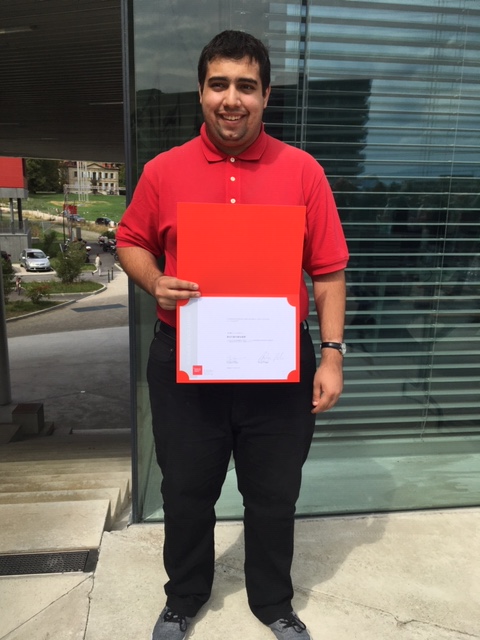
Traveling to Geneva, Switzerland for two weeks and studying the United Nations and its Global Challenges was a vital journey to look at the bigger picture of negotiations of delegates from all over the world. The classroom setting was organized like a UN meeting room. The placards had our names on them instead of UN Member States. The objective of the program was not to attend an actual UN Conference, but to learn how the UN updates international policies through its entities and agencies.


 David Sharif